
By Joan Dalmau (Spain / Coches.net)
The Kia K4 arrives as the replacement for the Ceed, positioning itself as a 4.46 metre compact initially offered with a five‑door body style, to be joined by a Sportswagon version later this year. It stands out for its generous interior space and an exclusively petrol‑powered lineup: a 115‑hp mild‑hybrid 1.0 engine with an Eco label, and two 1.6‑litre optionswith 150 and 180 hp, both carrying the C label.
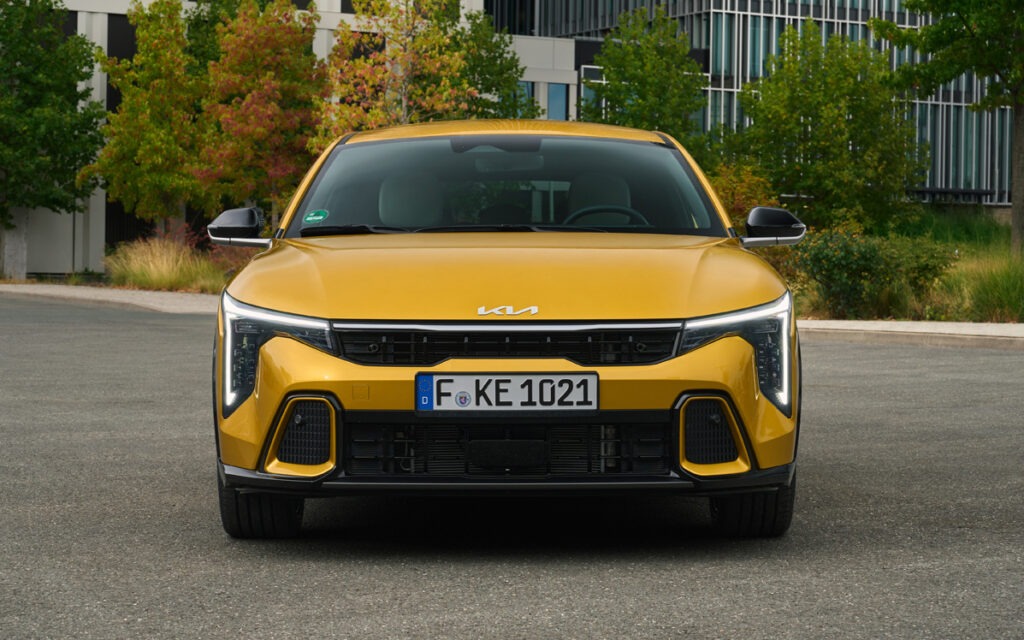
A conventional hybrid—expected to become the best‑selling variant—will be added later on. Built in Mexico, the K4 is now available in Europe from 26.250 € including all discounts i countries like Spain.
The model reflects Kia’s strategic shift: combustion‑engine vehicles for Europe will no longer be region‑specific developments but adaptations of the brand’s global lineup. As such, the K4 joins future launches like the Seltos, while Europe‑exclusive development will focus on electric models such as the EV2 and EV3.
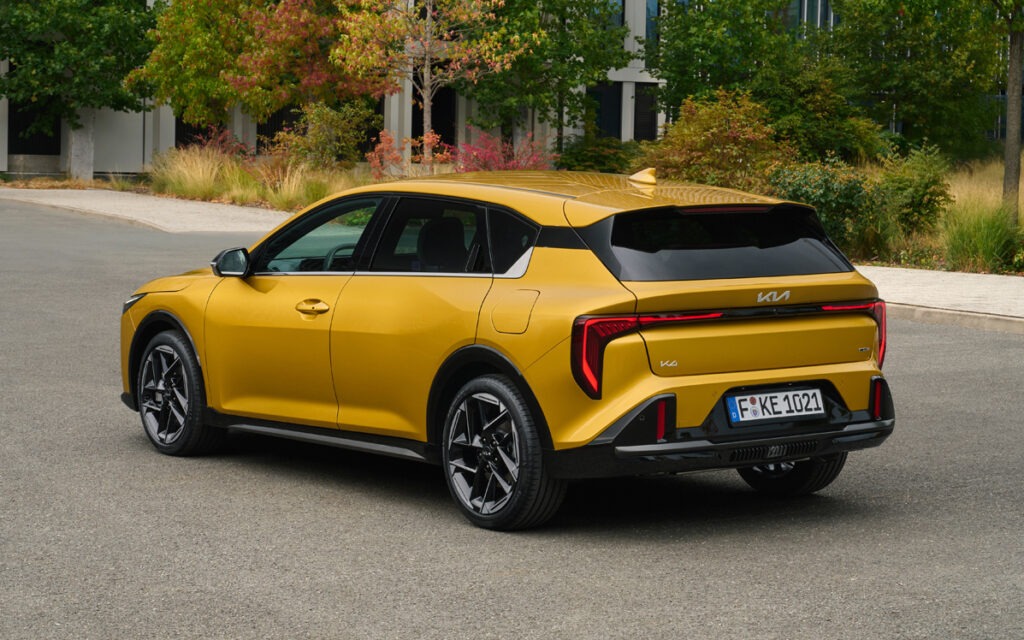
It measures 4.46 metres long, 1.85 metres wide and 1.43 metres high, with a 2.72 metres wheelbase, one of the longest in the segment. As the lowest car in the brand’s range, it has a particularly wide stance on the road, enhanced by the pronounced rear shoulders and the design of the taillights. Its low, wide proportions, long wheelbase and front end aligned with Kia’s latest design language give it a distinctive presence.
Spacious area
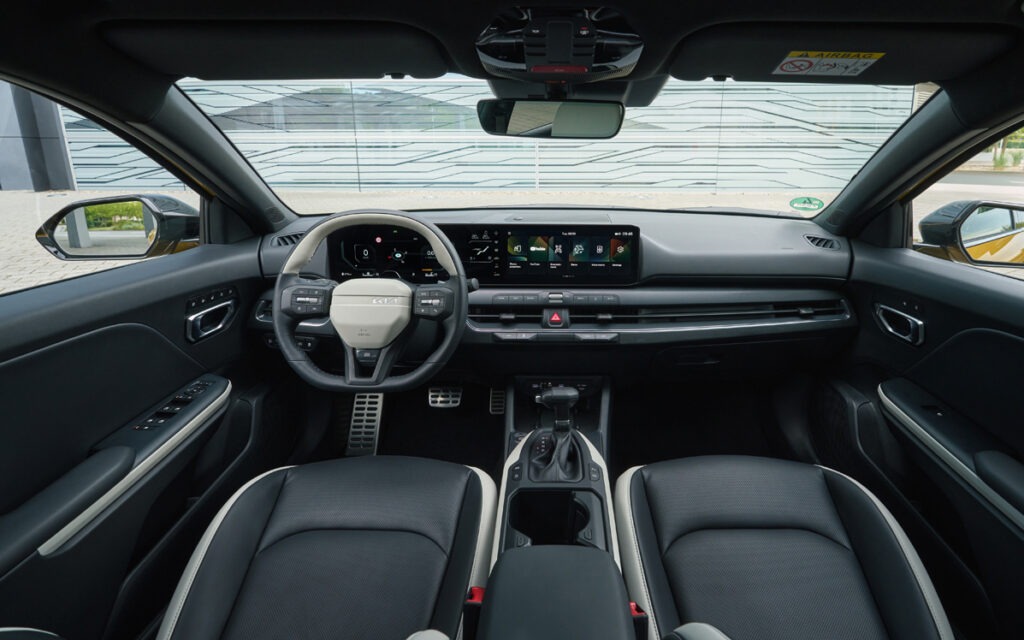
Inside, the K4 adopts a less minimalist approach than some rivals, integrating three screens: two 12.3‑inch displays for the instrument cluster and infotainment, and a 5.3‑inch panel for climate control. It retains numerous physical controls and features a two‑tone, flat‑topped and flat‑bottomed steering wheel. Standard equipment includes wireless Apple CarPlay and Android Auto, wireless charging, a digital key, Kia Connect services and a Harman Kardon audio system. Ergonomics and perceived quality follow the direction set by the brand’s latest models.
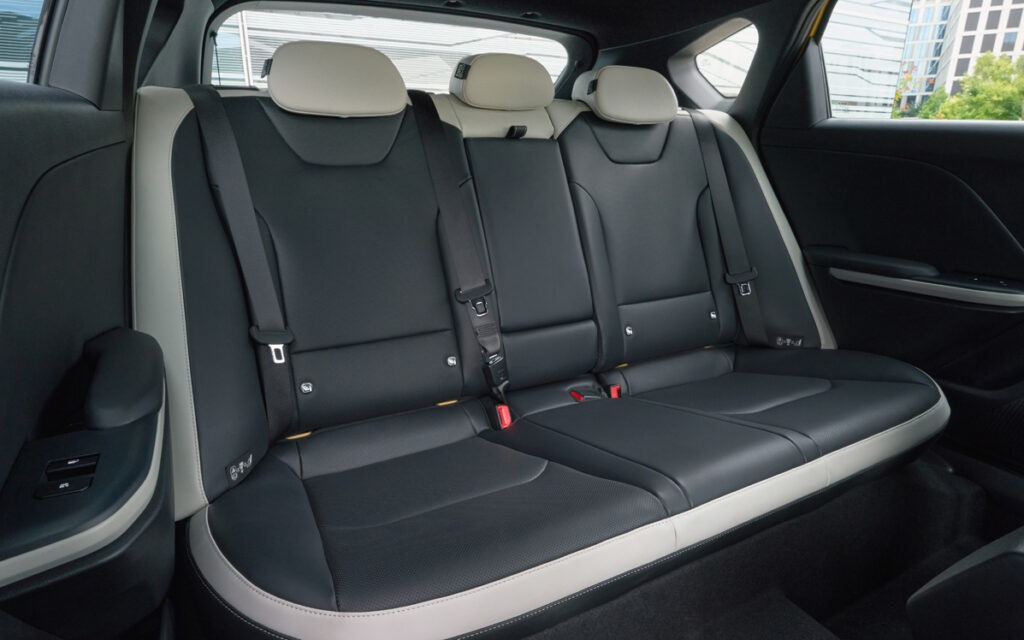
Rear‑seat space is one of its strengths, thanks to the width and long wheelbase, although headroom is limited due to the low roofline. Boot capacity varies by version: 438 litres in the 1.6 models and just 328 litres in the 1.0 mild‑hybrid due to the battery. The upcoming Sportswagon will offer 604 litres, though hybrid versions will lose some capacity.
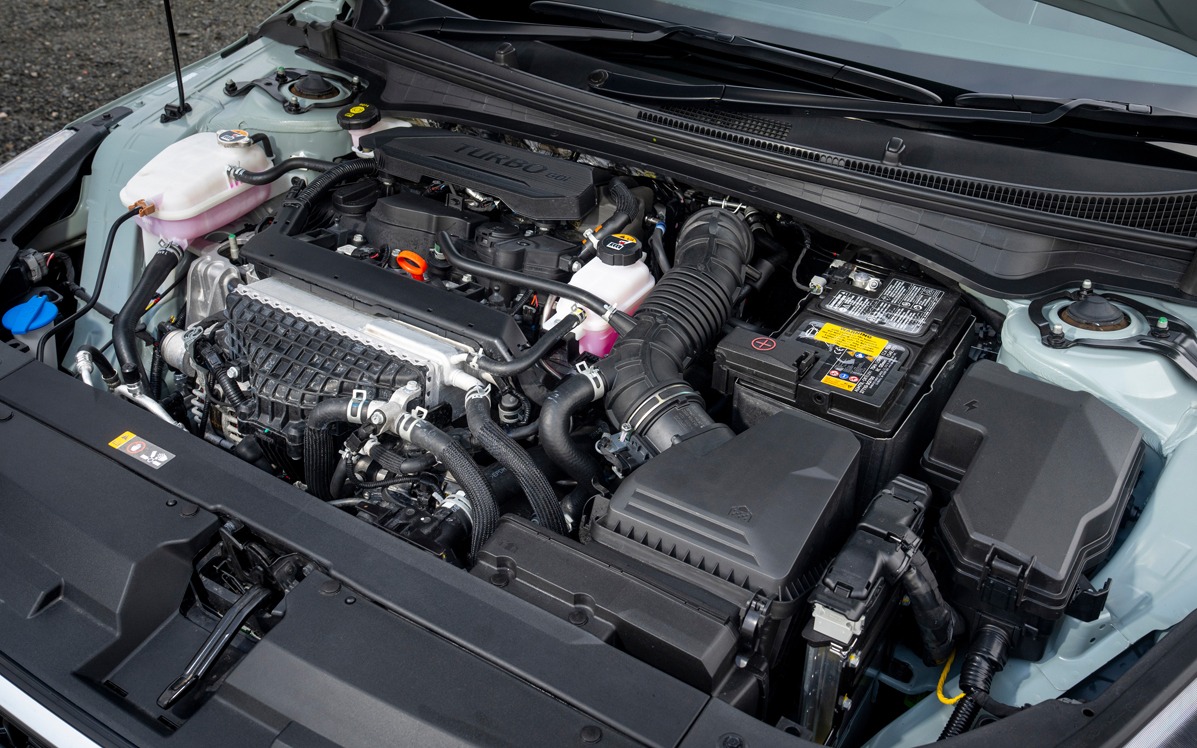
Kia offers two petrol engines, both evolutions of familiar units: a turbocharged 1.0 three‑cylinder mild hybrid with 115 hp, available with a six‑speed manual or seven‑speed dual‑clutch automatic, and a turbocharged 1.6 four‑cylinder with 150 or 180 hp. The 1.0 reaches 186 km/h and accelerates from 0 to 100 km/h in 12.2 seconds, while the 1.6 versions reach 206–210 km/h with 0–100 km/h times between 9.1 and 8.4 seconds.
The range is structured into three trims—Drive, Techno and GT‑Line—each offering progressively more equipment. Even the base model includes LED headlights, a full suite of driver‑assistance systems, parking sensors with a rear‑view camera, navigation and climate control.
The Techno adds 17‑inch wheels, blind‑spot monitoring and wireless charging, while the GT‑Line incorporates sportier styling, enhanced safety systems, mixed upholstery, heated seats and steering wheel, sport pedals and Digital Key 2.0. With this lineup, Kia aims to position the K4 as a well‑equipped and competitive global compact.