

The new GTIs are here. This class of cars, which is poised to make a major comeback in the coming years, now includes the Cupra Raval VZ. A ‘rebel’ seeking its place among the elite.
by Laurent Zilli (Automoto, Luxemburg)
Some enthusiasts still cringe at the idea of applying the GTI spirit to an electric car. Yet if one focuses on the philosophy rather than the original meaning of the letters, the comparison makes perfect sense: a compact, relatively light car with enough power and a chassis designed to maximise driving enjoyment.
By that definition, the Alpine A290, Lancia Ypsilon HF and now the Cupra Raval VZ all qualify. And there is little doubt that upcoming contenders such as the Volkswagen ID. GTI, Opel Corsa GSE and Peugeot e-208 GTi will follow the same formula.
More Than Just a Hot Hatch
Before focusing on the VZ, it is worth remembering that the Raval is not merely a performance derivative.
Cupra has long announced its intention to launch an affordable electric hatchback, targeting a starting price of around 26.000 €.
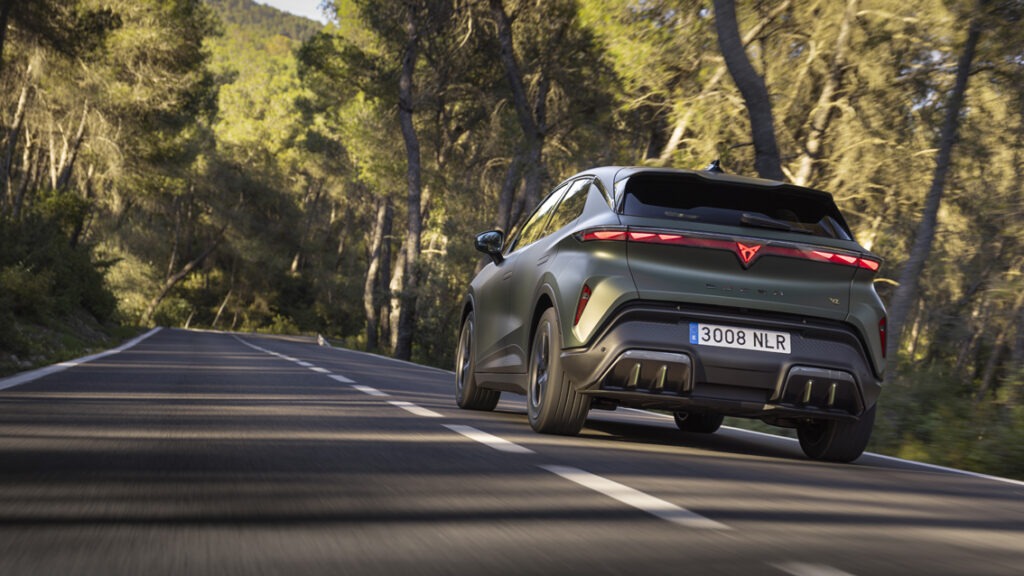
The entry-level version, featuring a 116 hp motor and around 300 km of WLTP range, will become available later this year. In practice, its list price is expected to sit closer to 28.000 €, although incentives and discounts should bring the effective transaction price down.For now, customers can order the mid-range variant, offering 211 hp and 446 km of WLTP range, as well as the flagship VZ tested here. It is this version that carries Cupra’s sporting ambitions.
A Catalan Athlete
The VZ is powered by a 226 hp electric motor producing 290 Nm of torque, while keeping weight to a relatively modest 1.540 kg. More importantly, Cupra has equipped the front axle with a proper electronically controlled limited-slip differential.That single component transforms the car. A 0–100 km/h time of 6.8 seconds may not sound spectacular, but the Raval feels considerably quicker thanks to the instant response typical of electric powertrains. Acceleration is brisk, but it is the chassis that truly impresses.
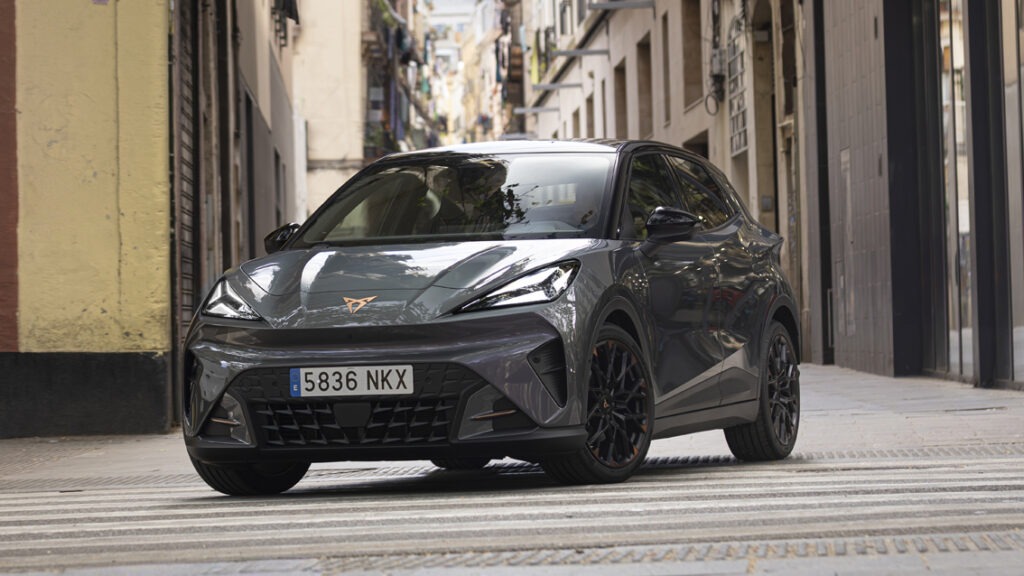
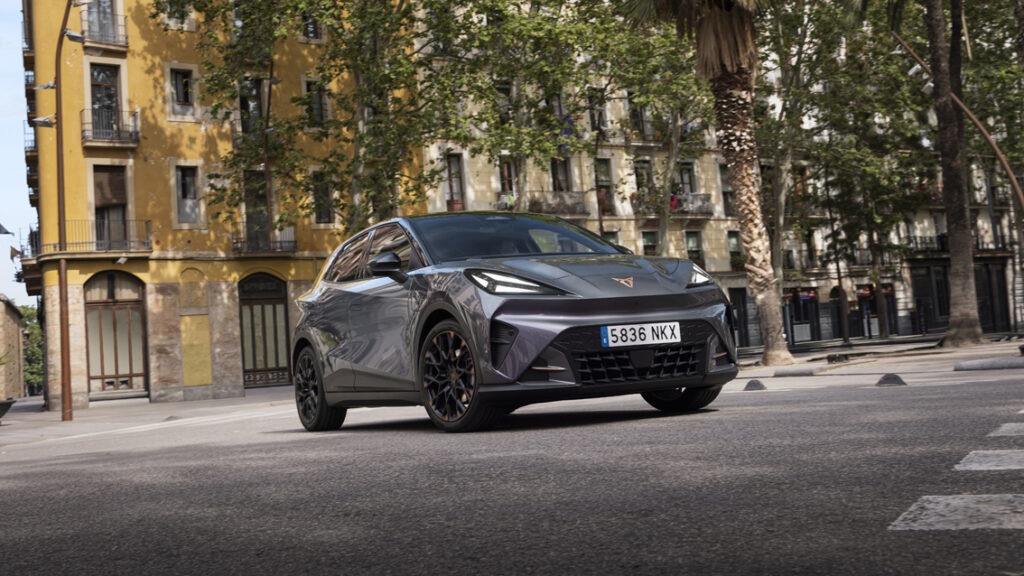
Front-end grip is remarkable, allowing the Raval to attack corners with surprising confidence. Even through rapid changes of direction, the car remains composed and eager. The steering, while not especially rich in feedback, is precise and completely free of torque steer, a testament to the excellent work done by the front differential. The braking system also deserves praise. The transition between regenerative and friction braking is virtually imperceptible, something many competitors still struggle to achieve.
Then comes perhaps the biggest surprise. In its most engaging driving mode, the electronic systems allow a degree of rear-end movement under cornering. It takes a little more encouragement than in the Alpine A290 or Lancia Ypsilon HF, but the Raval does not completely suppress playful behaviour. Ironically, that sense of freedom had largely disappeared from many of the final generation of petrol-powered GTIs.The result is a small electric hatchback that proves genuinely entertaining on a challenging road.
Everyday Appeal
Driven enthusiastically, the claimed 400 km of WLTP range naturally becomes difficult to achieve. During calmer sections of the test route, however, the consumption figures suggested that the official target is entirely realistic in normal use.
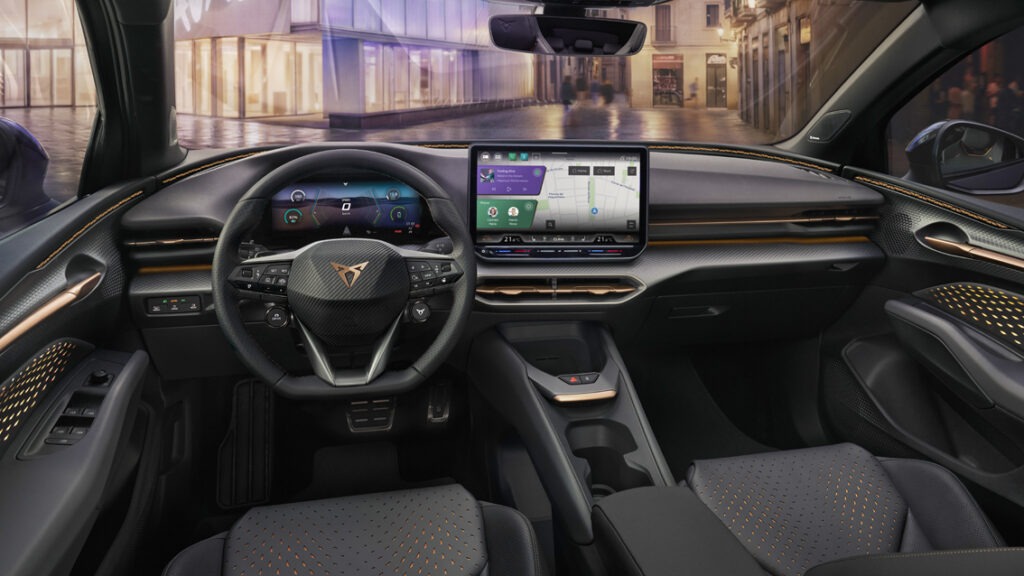
Beyond its dynamic qualities, the Raval also impresses with its distinctive styling, unconventional interior design and solid build quality. Rear-seat space sits comfortably within the segment average, while the overall atmosphere feels far more characterful than that of many mainstream electric hatchbacks.
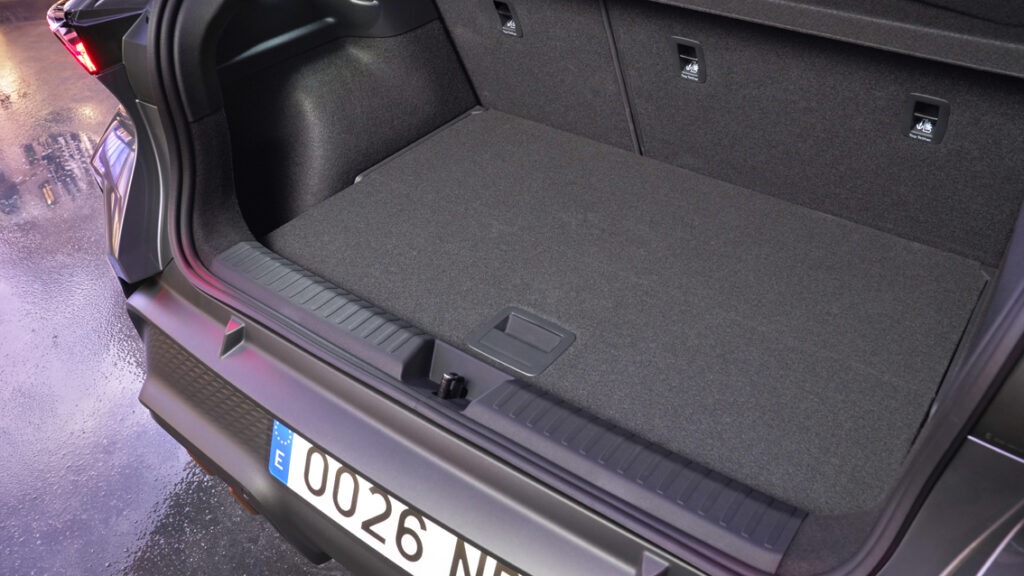
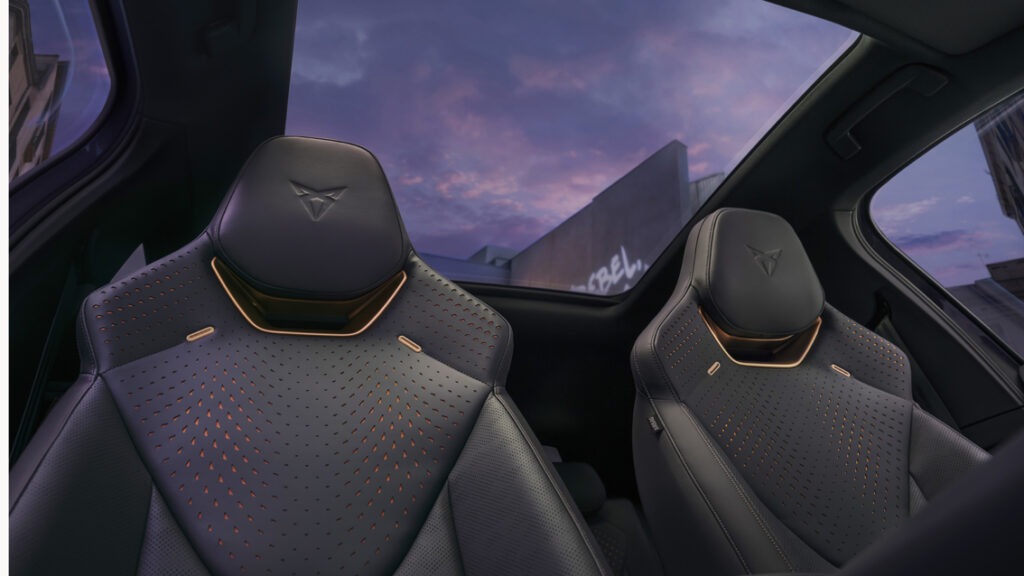
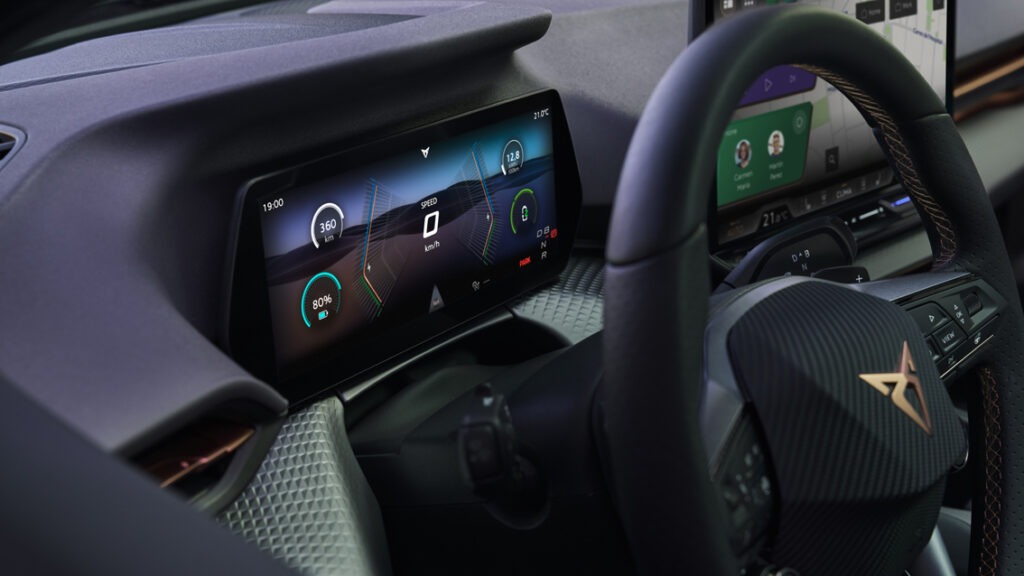
With its striking design, appealing cabin and genuinely capable VZ derivative, the Cupra Raval is one of those rare EVs that people may genuinely want rather than simply need.The remaining question is whether the more affordable versions will prove equally convincing. Based on what the VZ delivers, Cupra has every reason to be optimistic.