
As the electric counterpart to the XC60, the new Volvo EX60 enters one of the most fiercely contested segments in the market. With nearly all of its key rivals recently renewed, there is simply no margin for error.
by Stéphane Lémeret (AutoTrends.be / Belgium)
At 4.80 metres long, the Volvo EX60 takes aim directly at the latest BMW iX3 and Mercedes-Benz GLC. Volvo arrives with a compelling headline figure: up to 810 km of range, one of the most ambitious claims in the segment.
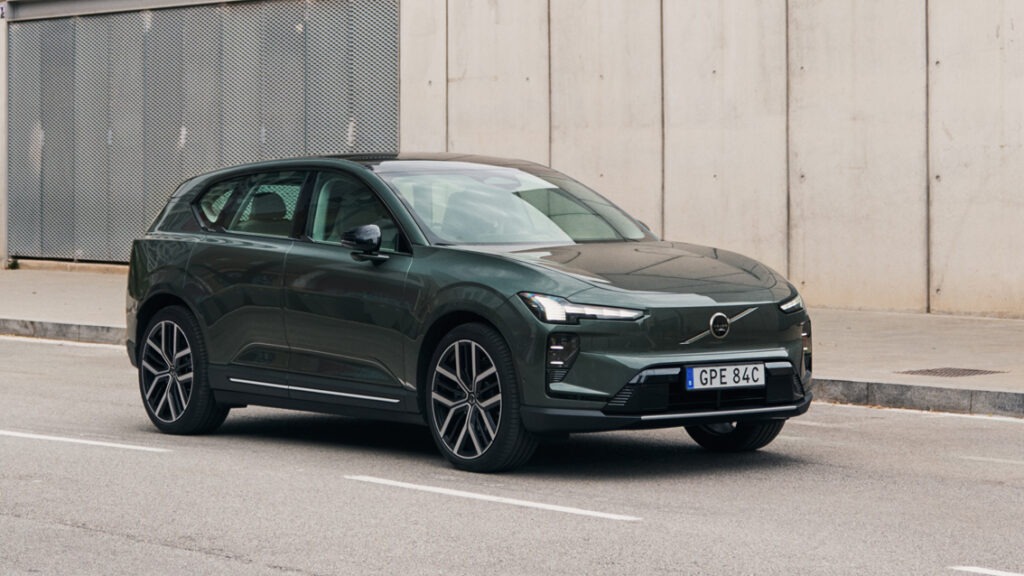
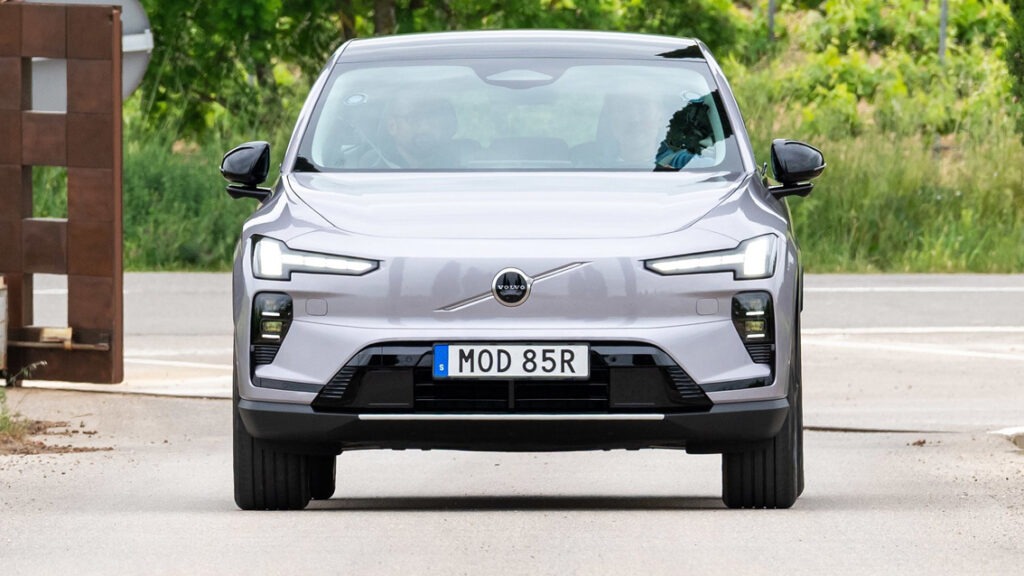
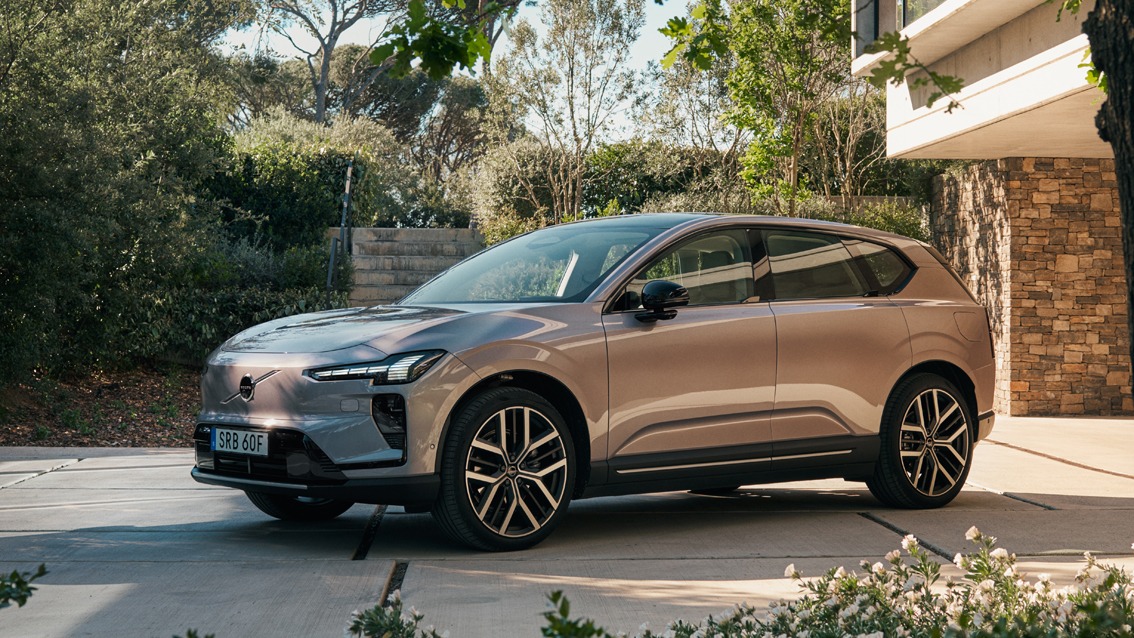
Unlike its German rivals, which use their latest electric SUVs to introduce new design languages, Volvo has chosen continuity. Aerodynamics are improved through discreet wing-shaped door handles integrated into the bodywork and elegant frameless windows. The result is unmistakably Scandinavian: clean, restrained and refined.
Screens and Smart Ideas
Inside, simplicity remains the guiding principle. The large central touchscreen controls almost every function, which brings both advantages and frustrations. Climate controls remain permanently visible and the shortcut menu is highly configurable, but accessing the trip computer, regenerative braking settings or driver-assistance functions still requires too many taps.
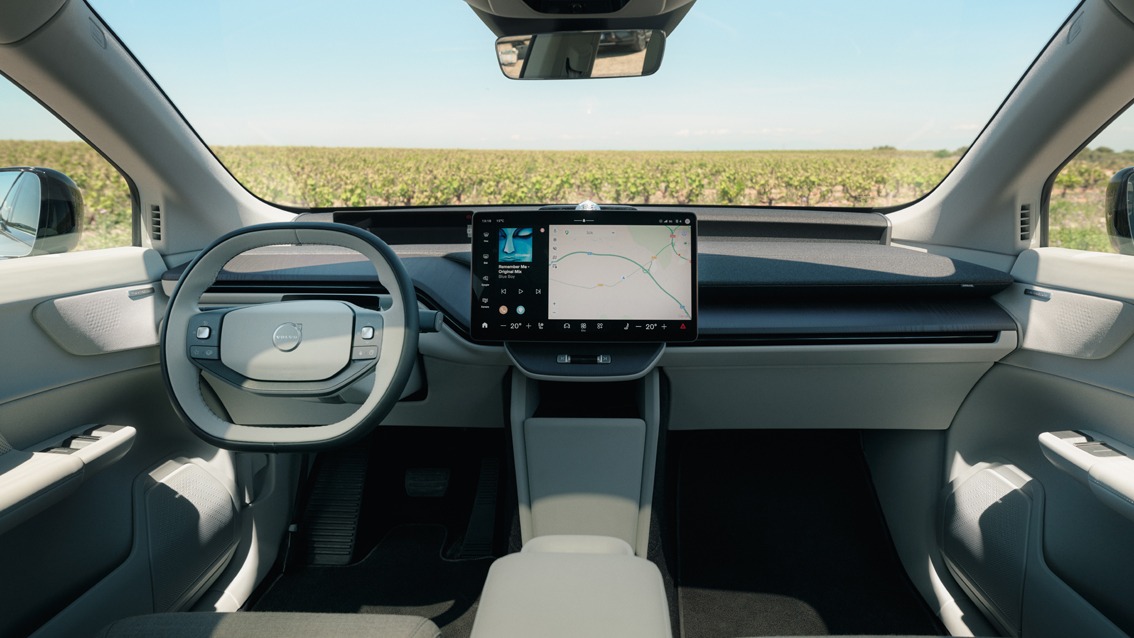
During our test drive, we also experienced several instances of phantom braking, particularly when passing cyclists on dedicated lanes through otherwise harmless bends. Thankfully, Volvo has avoided one of the EX30’s biggest criticisms by fitting a dedicated instrument display ahead of the driver, including navigation information.
Space is generous both front and rear. The boot offers 523 litres of capacity, complemented by clever underfloor storage and an additional 85-litre front trunk.
Comfort First, But Not Only
The EX60 will be available in three versions: the rear-wheel-drive P6 with 369 hp, and the all-wheel-drive P10 and P12 producing 503 hp and 671 hp respectively. Battery capacities range from 80 to 112 kWh net, depending on the version.
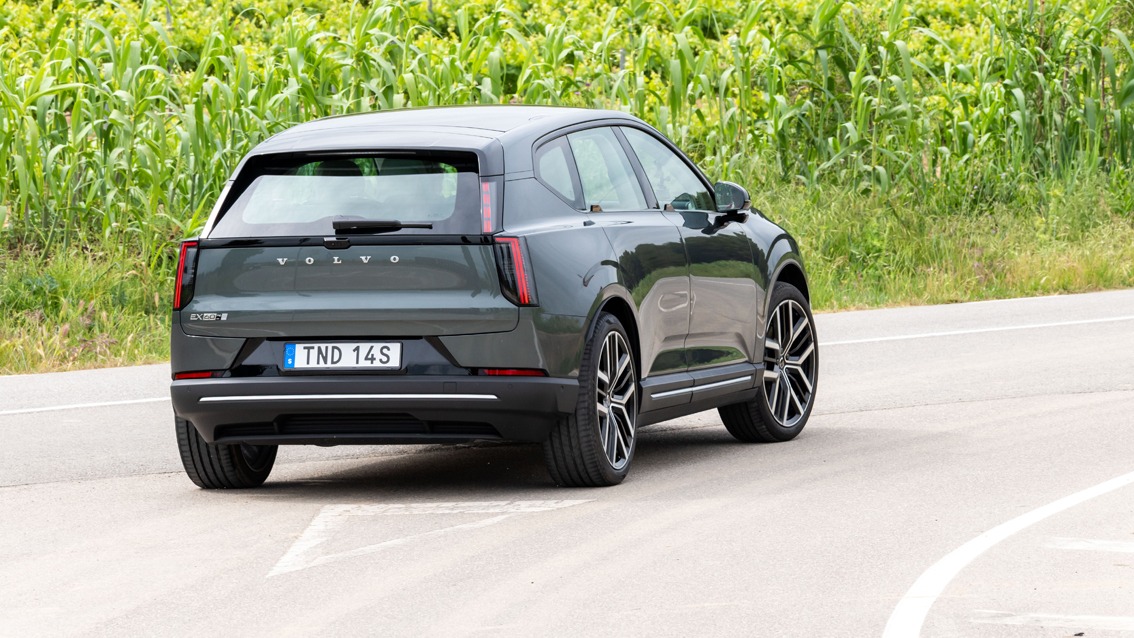
We drove the P10, which reaches 100 km/h in just 4.6 seconds. Yet what impresses most is not its outright performance, but the way it delivers it. The EX60 feels exceptionally smooth and refined. Ride quality is outstanding, while noise insulation ranks among the best in its class.
That does not mean it shies away from dynamic driving. On demanding mountain roads, its steering precision and body control proved genuinely impressive. The Volvo remains composed, secure and highly effective. What it lacks, however, is involvement. Drivers looking for the mechanical feel and communication of a BMW iX3 may find the EX60 somewhat detached.
Still, that is unlikely to trouble most buyers. The entry-level P6 should prove particularly attractive, offering more than enough performance while remaining the most accessible model in the range.
Built for Long Distances
On a demanding route combining motorway and mountain driving, our P10 returned an average consumption of 20 kWh/100 km. That translates into a realistic range of around 450 km, comfortably enough for long journeys.
The P6 proved significantly more efficient during a less demanding test, averaging just 15.2 kWh/100 km and making more than 500 km between charging stops a realistic prospect.
Charging should not be a concern either. Thanks to its 800-volt architecture, just ten minutes connected to a high-power charger can add well over 300 km of range.
The EX60 succeeds in striking an excellent balance between comfort and dynamism. Few buyers are likely to be bothered by its slightly detached driving experience or the occasional overzealous intervention of its electronic aids. Most will focus instead on its impressive refinement, efficiency and long-distance usability.
Volvo may not have reinvented the segment, but it has delivered something arguably more valuable: an exceptionally well-rounded electric SUV that gets almost everything right.