
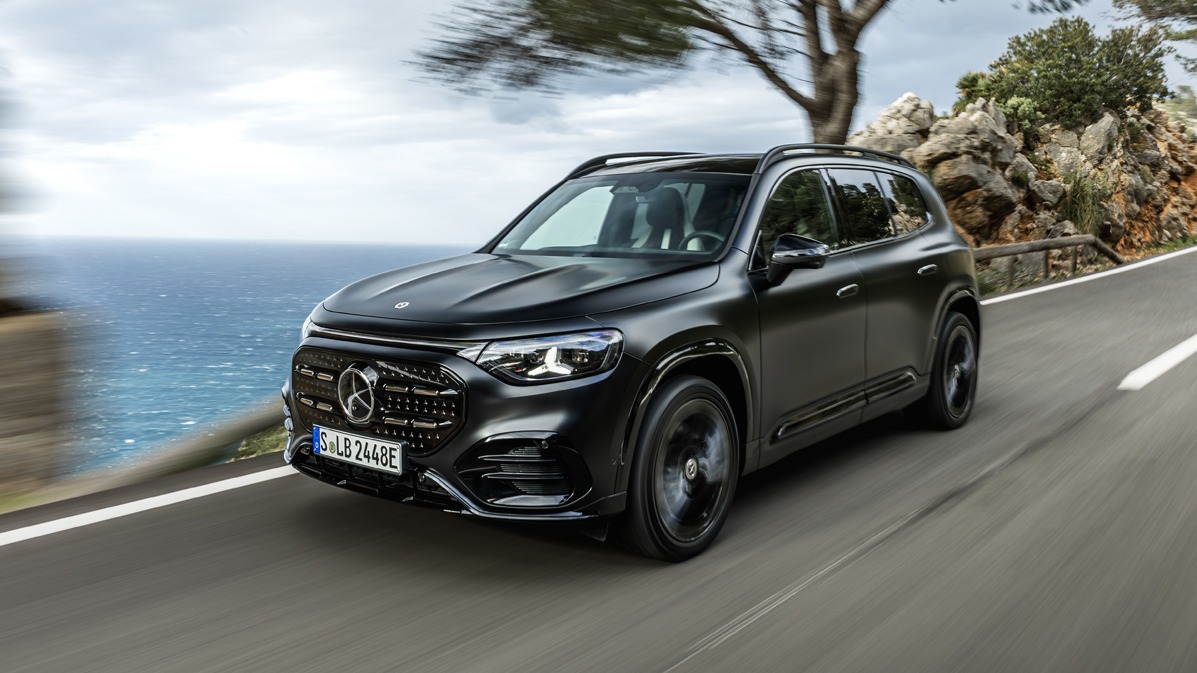
The EQ range is gone. The new GLB becomes Mercedes’ compact electric SUV with up to seven seats. Hybrid powertrains will follow.
By Stèphane Lémeret (AutoTrends.be / Belgium)
2026 marks a decisive step in Mercedes’ effort to simplify a model range considered too complex. After the end of production of the EQC, replaced this year by an electric GLC, the new GLB replaces the EQB and becomes the brand’s only compact electric SUV with up to seven seats. Two 48-volt hybrid powertrains will follow, alongside an entry-level EV version.
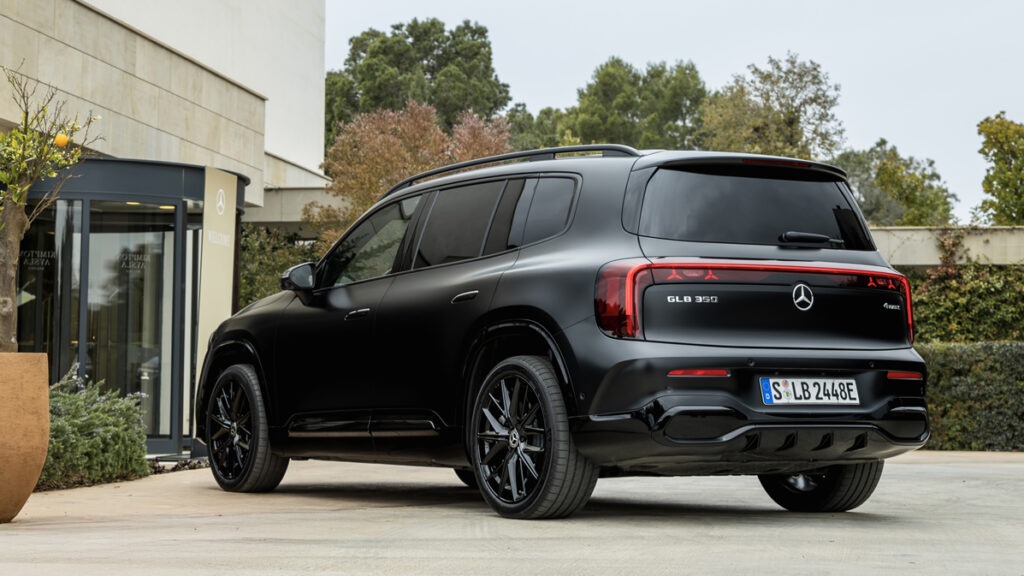
A return to rear-wheel drive for the electric version, based on the same MMA platform as the new CLA. Unsurprisingly, it features an 85 kWh battery, giving the SUV slightly lower but still respectable range, with 631 kilometres (WLTP) announced for the GLB 250+, delivering 200 kW, which proved more than sufficient during our test drive.
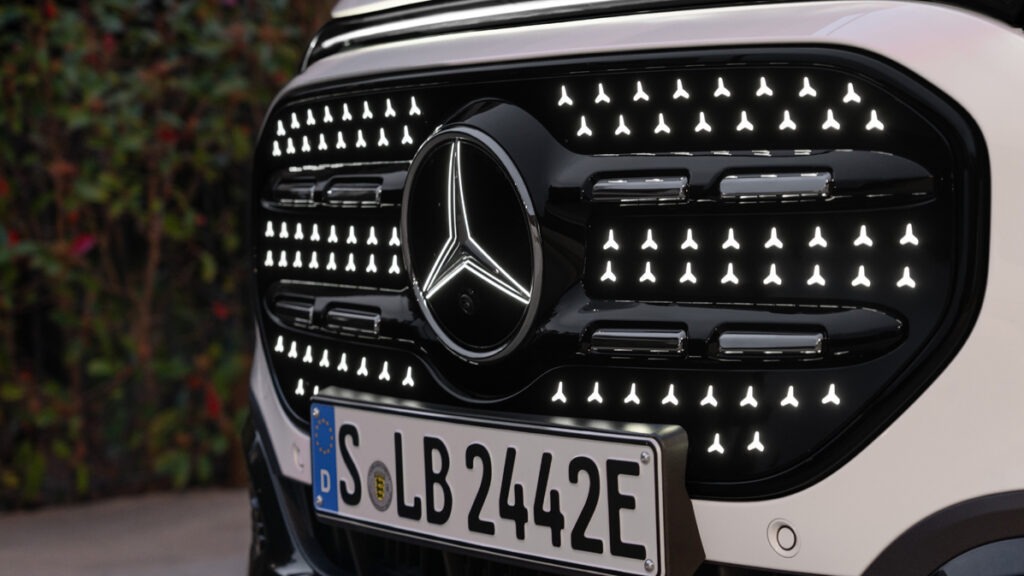
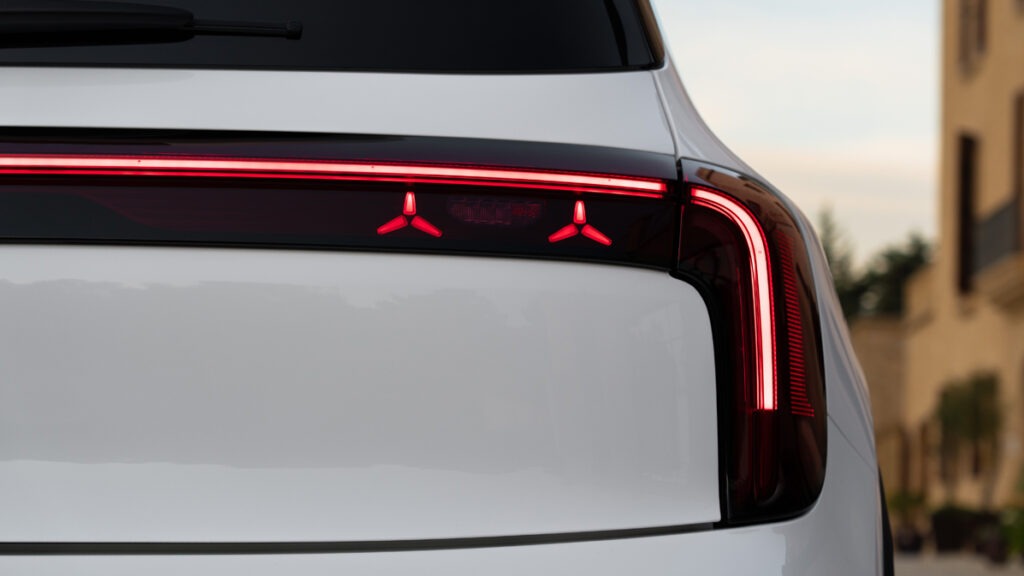
Using the same battery, the sportier 350 4Matic delivers 260 kW and increases torque to 515 Nm. With all-wheel drive and a towing capacity of two tonnes, it is best suited for pulling a caravan. Its announced range of 614 km is only marginally lower. Much will depend on usage. The 800-volt architecture allows up to 260 km of range to be recovered in just 10 minutes of fast charging.
Significantly larger
The baby has grown. It gains nearly 10 centimetres in length, including 6 cm in wheelbase, which mainly benefits rear passenger legroom. The two optional third-row seats are reserved for children. Even though the second-row seats slide over 14 cm and the door openings have been enlarged, you still need to be quite flexible to access them and travel in those conditions.
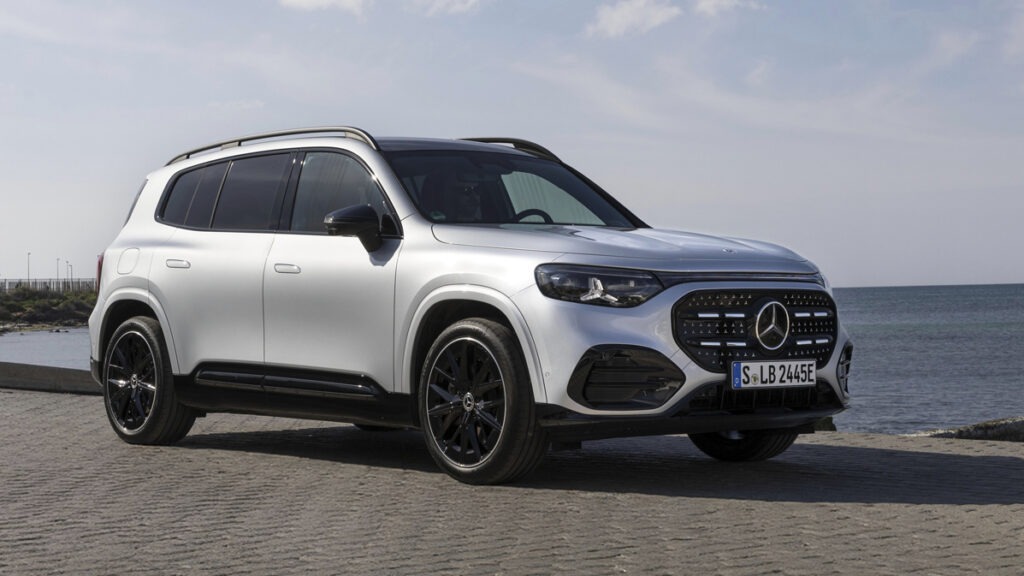
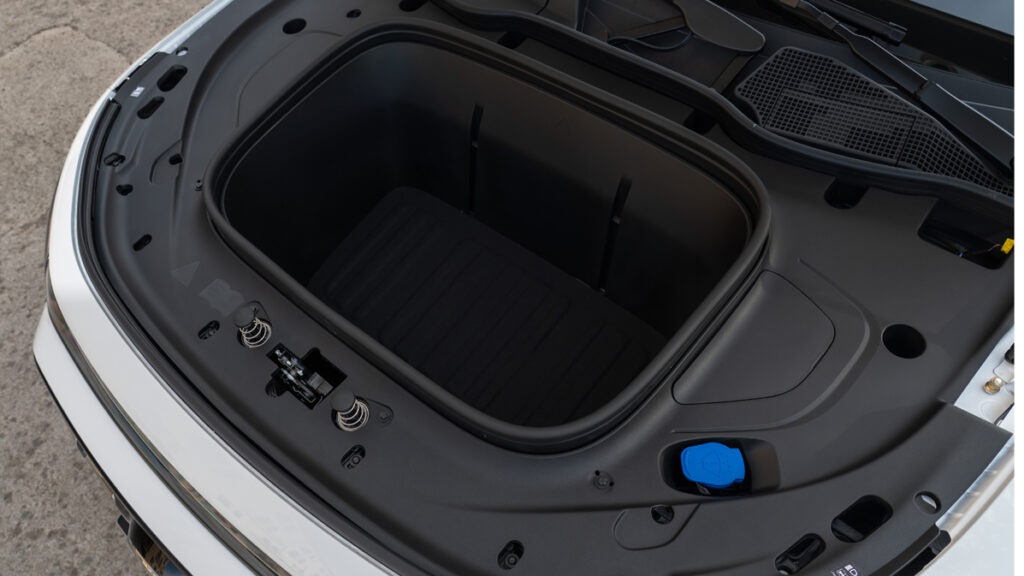
Smaller than in the previous GLB, the boot still offers decent capacity, ranging from 540 litres (470 with seven seats) to 1.715 litres (1.605) with the seats folded flat. In addition, there are 127 litres under the front bonnet, making it the largest “frunk” in the range.
Wider, the new model is also lower, but the standard panoramic roof fortunately provides extra headroom. More spacious and welcoming, the GLB remains tout a family-oriented SUV, prioritising practicality and comfort. A sign of the times, the screens (three if you opt for the full setup) float across the dashboard, creating a high-tech atmosphere that will appeal to those who tend to blur the line between driving and cinema.
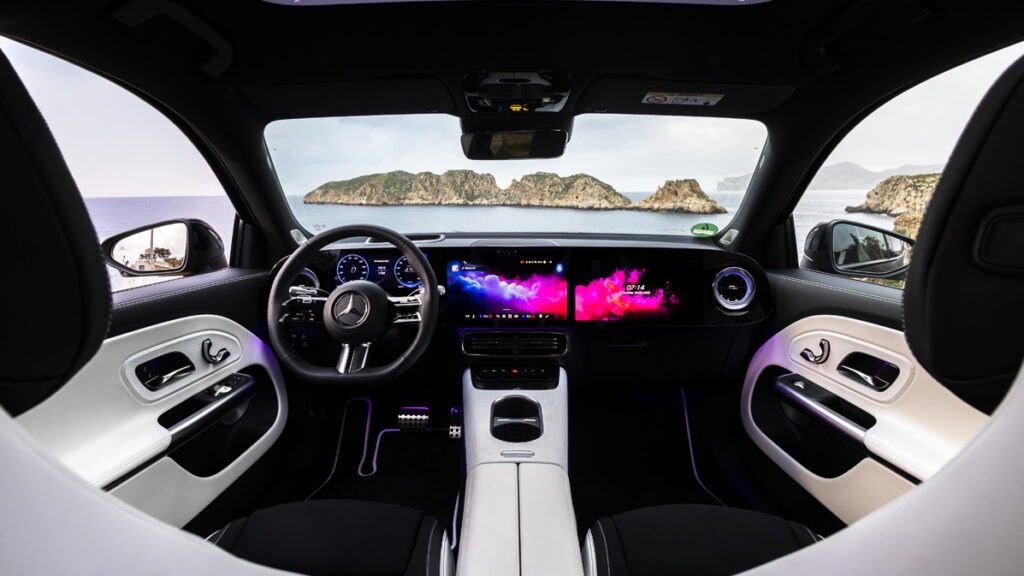
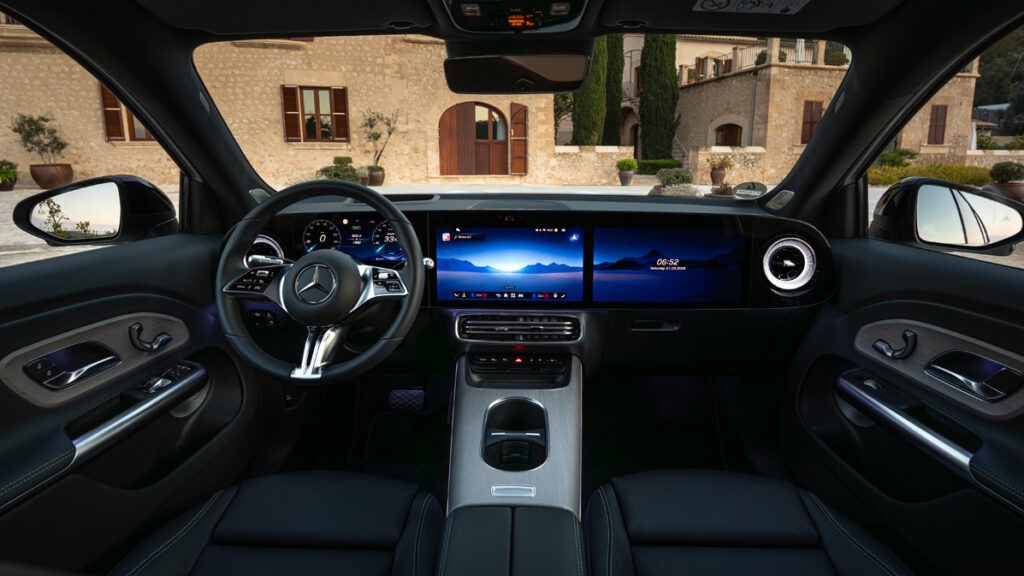
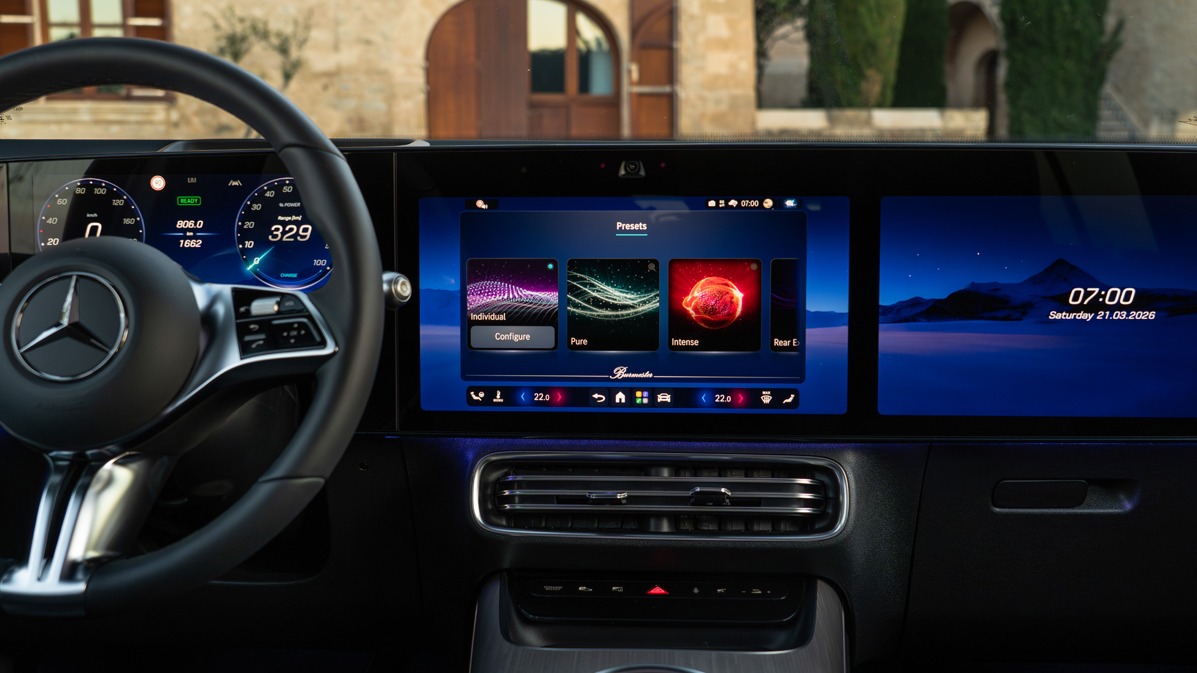
Artificial intelligence (ChatGPT, Google and Microsoft) is, of course, part of the package, so don’t be surprised if a digital voice interrupts you mid-conversation. The navigation system based on Google Maps is highly detailed. Equipped with all the assistance systems from the MB Drive catalogue (8 cameras, 5 radar sensors and 12 ultrasonic sensors, plus a water-cooled computer), the GLB also aims to be at the cutting edge of safety.
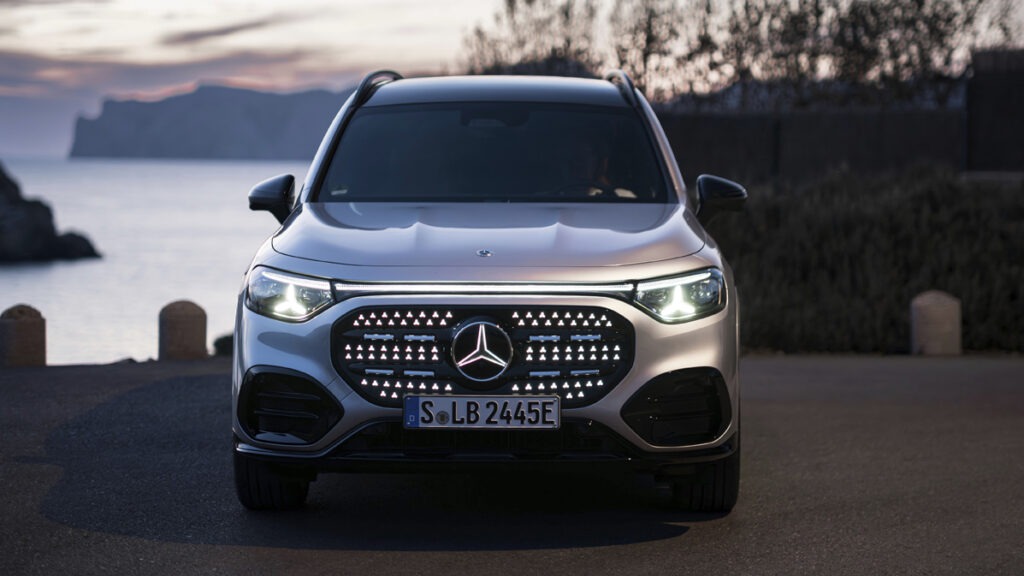
Adaptive damping provides comfort, though slightly soft. The steering, while not vague, feels somewhat artificial. And surprisingly, there is far less difference between the three driving modes (Sport, Comfort and Eco) than what we experienced behind the wheel of the CLA, our The Car of the Year 2026, which was configured more dynamically. Is this due to the SUV’s higher weight, requiring less sensitive settings? Energy recuperation modes are disappointing, with the “D-” setting producing overly abrupt braking.
It is therefore for its space and practicality, rather than its driving dynamics, that the GLB will hold its ground against premium rivals. In any case, it remains the only model in its segment capable of carrying seven passengers — an argument that will matter to some buyers.